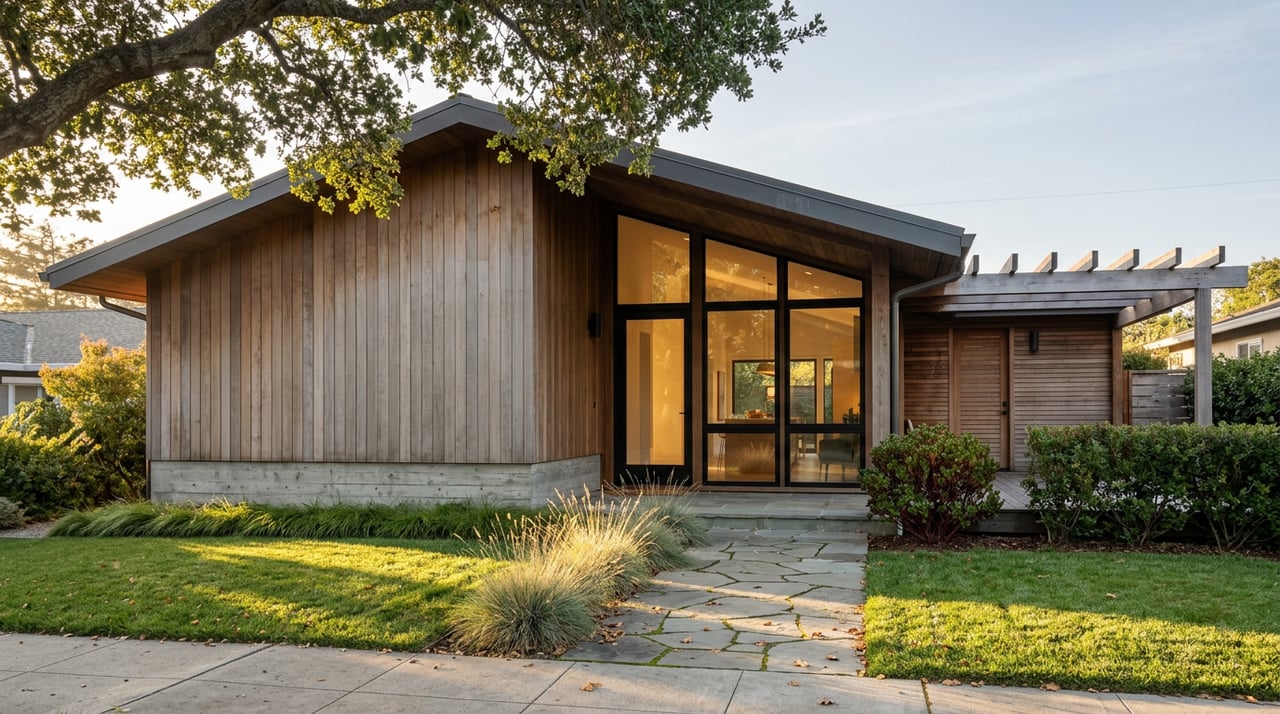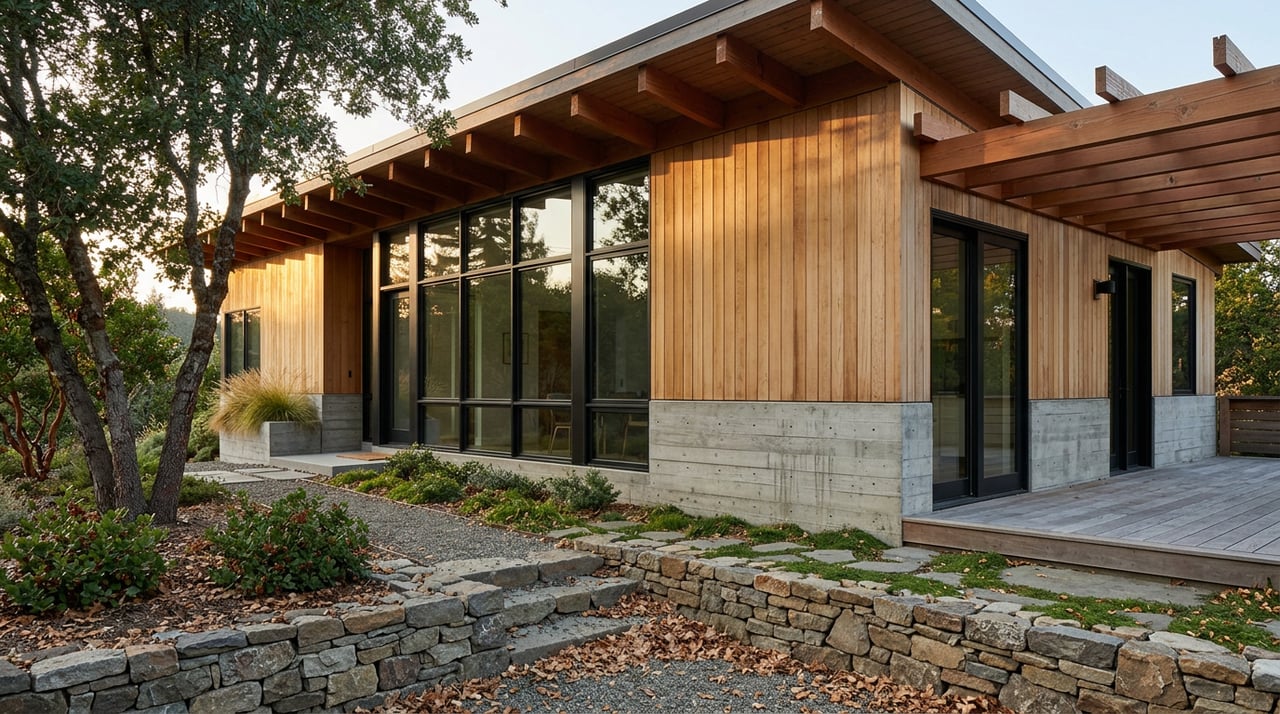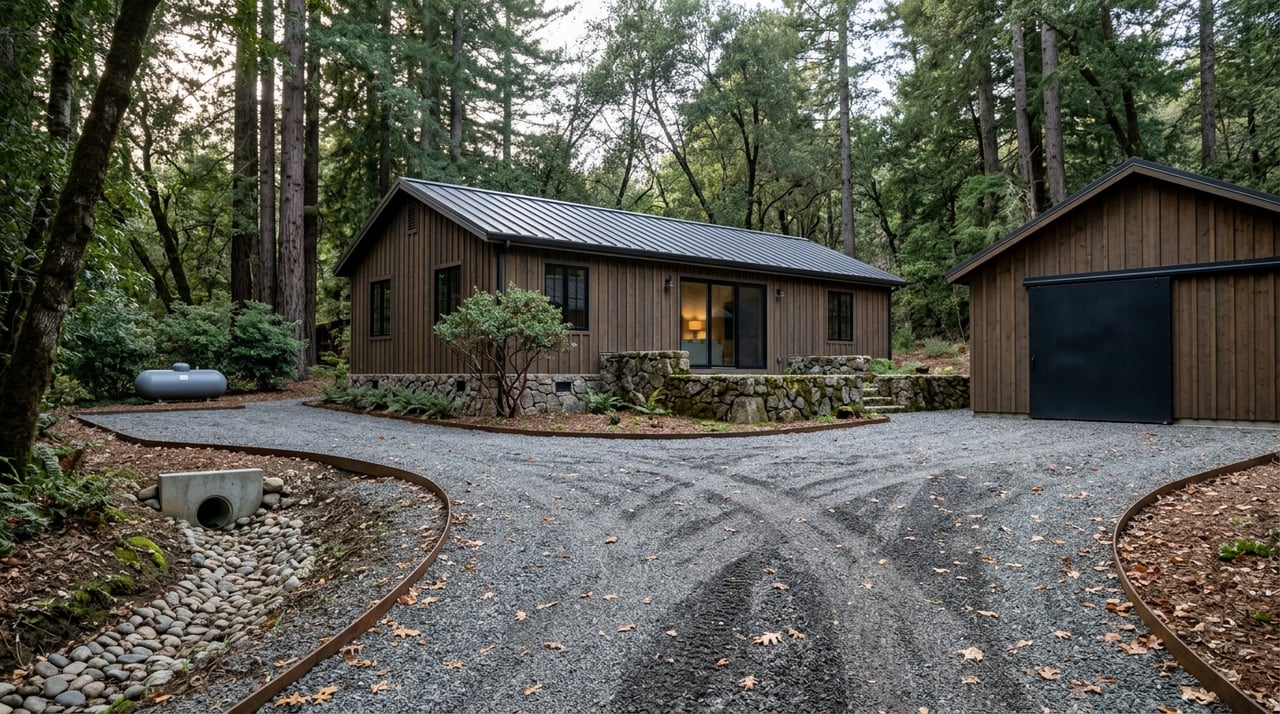
Dreaming of space, privacy, and starry nights under the oaks? Buying acreage in Woodacre and the San Geronimo Valley can deliver that California country feel, but the details differ from in‑town Marin. You will see septic systems instead of sewer, private roads instead of public streets, and stream setbacks that shape where you can build. In this guide, you will learn the key checks, inspections, timelines, and budget items to review before you remove contingencies. Let’s dive in.
Why San Geronimo Valley acreage is different
Septic systems instead of sewer
Most Woodacre and San Geronimo parcels rely on on‑site wastewater systems. The County has studied community wastewater options because soils, lot layouts, and aging systems in the flats can be challenging. Review the County’s background and project documents so you understand the local context and why a full septic evaluation matters before you buy. See the County’s community wastewater study for Woodacre and San Geronimo Flats for background and next steps at the county level. You can find it in the County’s project report for Woodacre and San Geronimo Flats.
For details, see the County’s summary of the Woodacre and San Geronimo wastewater work in the 2019 project report at the County’s website. You can also assume septic is the default unless County records show a connection to a public system.
Review the County’s Woodacre and San Geronimo wastewater project background.
Streams, setbacks, and site review
The Valley is crisscrossed by Lagunitas Creek and its tributaries. Marin County’s Stream Conservation Area program applies setbacks and added review for work near mapped streams. If a parcel touches a stream or wetland, expect additional biology, site assessment, and permit steps. Some in‑channel work may also require a Lake and Streambed Alteration notification with the California Department of Fish and Wildlife.
- Learn the basics of stream buffers in Marin at this overview of the Stream Conservation Area program: Exhibit A: Stream Conservation Area
- If your project could affect a streambed or bank, check CDFW’s LSA notification process: CDFW Lake and Streambed Alteration
Wildfire risk and insurance
Parts of West Marin map as high or very high fire hazard. That can impact vegetation requirements, access standards, and insurance options. Local agencies and community groups run fuel‑reduction and Firewise programs, which help with chipper days and home‑hardening best practices. Start insurance conversations early, especially if the home sits on a ridge or up a long private driveway.
- See recent updates to fire‑hazard zone mapping in Marin: Cal Fire fire hazard severity zone updates in Marin
Utilities and water
Electric service in Woodacre is provided by PG&E. Overhead lines and Public Safety Power Shutoffs can be part of rural living during extreme fire weather, so plan for backup power if needed. Water service can vary by parcel. Some parcels are served by Marin Municipal Water District and some rely on private wells or small systems. Confirm the actual provider for the parcel you are considering.
- Check PG&E’s service area and plan for PSPS events: PG&E service area
- Use MarinMap’s layers to identify water service and utilities: Marin County GIS layer list
Roads, access, and topography
The Valley is narrow and hilly, with Sir Francis Drake Boulevard as the main spine. Many homes sit on private roads or long, steep driveways. That can affect year‑round access, emergency response, and cost sharing. State and local fire codes set minimum widths, turnouts, vertical clearance, and turnaround standards for fire apparatus. If you are buying up a long private lane, get clarity on recorded road maintenance agreements and whether the road meets current access standards.
- For background on Wildland‑Urban Interface access expectations, see the SFPE WUI Handbook: WUI Handbook overview
Outbuildings, barns, and ADUs
Rural parcels often include sheds, barns, workshops, and other accessory structures. Permits still apply, and adding an ADU or JADU can trigger septic, well, or grading reviews. Confirm permit history and feasibility before you plan upgrades.
- Explore Marin County’s ADU program resources: Marin County ADU program status
Local planning context
The San Geronimo Valley has a long‑standing community plan that emphasizes rural character and measured growth. County planners treat the Valley differently than central Marin, so do not assume in‑town rules apply. Your site plan, access, and environmental setting matter here.
What to check before you write an offer
Use these quick checks to get oriented fast and build the right contingencies.
- Look up the parcel in MarinMap. Confirm APN boundaries, zoning, stream buffers, fire‑hazard overlays, and whether the access road is county‑maintained or private. Start here: Marin County GIS layer list
- Review County wastewater pages for Woodacre and San Geronimo to see if your area appears in community wastewater studies or known constraint zones. Start with the County’s background documents for Woodacre and San Geronimo Flats: 2019 project report
- If the parcel shows a mapped stream buffer, plan for added review under the SCA rules. See the SCA overview: Stream Conservation Area basics
- Ask your insurance agent for an early read on coverage options and costs based on address and fire‑hazard mapping.
Ask the seller for these records right away:
- Septic pump and inspection records, permits, and any County performance evaluations
- Well completion report, recent water‑quality tests, and any pump test data (if applicable)
- Road maintenance agreement or history of assessments if access is private
- Permit history for outbuildings, grading, and any creek work
Smart contingencies and inspections
Your general home inspection is not enough for acreage. Build a team and add specialty inspections early in your contingency period.
Septic system evaluation
Order a licensed septic contractor to pump and perform a full functional inspection of the tank, alarms, distribution, and leach field. Marin County transactions often use a performance evaluation, which checks for surfacing effluent, groundwater separation, and positive flow. If problems appear, you may need engineered replacement plans and County permits.
- Learn the basics of septic system standards and evaluations: Septic system regulations overview
Well water testing and yield
If the property has a private well, test for total coliform, E. coli, nitrate, and other locally relevant parameters. Request the well completion report, depth, static water level, pump age, and any yield or drawdown tests. Re‑test after you take ownership to set your new baseline.
- Background on well records and testing in California: Guide to wells and drilling in California
Geotechnical and slope stability
If the site is sloped or shows landslide indicators on MarinMap, hire a geotechnical engineer. A site‑specific report will address foundation type, slope stability, erosion control, and recommended setbacks or drainage improvements.
Access, roads, and driveways
For long or steep driveways, bridges, and culverts, have a civil or road engineer check surface condition, drainage, load ratings, and compliance with fire‑apparatus access standards. Confirm any required encroachment permits and recorded access rights for the route you will use.
- For context on WUI access and emergency considerations: WUI Handbook overview
Trees and defensible space
Hire an ISA‑certified arborist to flag hazard trees and build a defensible‑space plan that aligns with local Firewise practices. Proactive vegetation work helps with safety and can support insurance options.
Home, roof, and pest inspections
A licensed home inspector will assess the building shell, roof, electrical, plumbing, and HVAC. Add a specialty pest inspection if structures are older or show wood‑to‑soil contact. Standard home inspections do not include septic or well testing, so keep those as separate contingencies.
- What a general home inspection covers: ASHI home inspection essentials
Stream and environmental review
If the parcel falls within the Stream Conservation Area, plan for a biologist or environmental consultant to prepare a site assessment. Work that alters a stream channel or bank may require notifications and agreements with state and regional agencies.
- Start with CDFW’s LSA program page: CDFW Lake and Streambed Alteration
Budget, timelines, and ownership costs
Typical costs to plan for
Owning acreage brings ongoing maintenance. Budget for these line items so nothing catches you off guard.
- Septic systems. Routine pumping every two to three years is common. Component repairs happen over time. Engineered replacements, when required, can range from the low tens of thousands up to about $50,000 or more depending on soils, access, and design. Allow months for design and permits. See this overview of septic regulations for context: Septic system regulations overview
- Private roads and driveways. Expect periodic grading, drainage work, culvert replacements, and resurfacing, especially after heavy winter storms. Shared roads may have annual assessments under a road agreement. For general WUI access considerations, review the WUI Handbook overview.
- Vegetation and fuel management. Plan annual defensible‑space work and periodic larger fuel‑reduction treatments. Local programs and chipper days can reduce your out‑of‑pocket effort. For regional context on hazard mapping and initiatives, see Marin’s fire hazard zone updates.
- Well systems. Budget for filter changes, pump service, and retesting after ownership changes. Set aside funds for repairs or upgrades as the system ages. For background, see this California wells guide.
Realistic timelines
- Short inspections. Pump‑and‑inspect for septic, water tests for wells, and general home inspections often fit within 1 to 3 weeks depending on scheduling. Here is a helpful overview of general inspection scope and timing: ASHI home inspection essentials
- Engineered work. Septic replacements, geotechnical mitigation, and permitted driveway upgrades can take months. Design, County review, environmental review if near streams, and construction all add time. The County’s ongoing wastewater planning for Woodacre and San Geronimo Flats shows that complex wastewater solutions can take extended timelines. For context, review the County’s wastewater project background.
How we help you buy with confidence
You deserve a plan that reduces risk and keeps your lifestyle goals front and center. Here is how we approach rural purchases in Woodacre and the San Geronimo Valley:
- Early parcel intelligence. We run MarinMap overlays to confirm utilities, access, streams, and hazards so you know what to expect before you write.
- Right experts at the right time. We coordinate septic, well, geotechnical, arborist, and road specialists during your contingency period and push for clear, written estimates.
- Practical negotiation. We use findings and County requirements to negotiate repairs, credits, or escrow holdbacks where appropriate.
- Smooth execution. You get responsive communication, clear next steps, and a steady advocate from the first showing through close.
If acreage in Woodacre or the broader Valley is calling, let’s build a smart path to yes. Schedule a quick consult with Nick Svenson to align your wish list with the realities on the ground.
FAQs
Are most homes in Woodacre on septic systems?
- Yes. Many Woodacre and San Geronimo parcels use on‑site wastewater systems. Review County background materials on local wastewater planning and order a full septic performance evaluation during escrow.
How do I confirm the water source for a Woodacre parcel?
- Use MarinMap to check water service layers and ask the seller for recent bills or well records. Some parcels are served by Marin Municipal Water District while others rely on private wells.
What does the Stream Conservation Area mean for my project?
- The SCA applies setbacks and extra review for work near mapped streams. If your parcel touches a stream, expect biological review and possibly state notifications under the CDFW LSA program.
Will wildfire risk affect my insurance in San Geronimo Valley?
- It can. Parts of West Marin map as high or very high fire hazard. Start insurance quotes early and plan for defensible‑space and home‑hardening work to support coverage options.
Can I add an ADU on acreage in the Valley?
- Possibly. Marin County supports ADUs and JADUs, but feasibility depends on septic capacity, well or water service, access, and site constraints. Confirm permit history and consult County resources before you commit.
What contingencies should I include when buying acreage?
- In addition to a general home inspection, include septic, well, and geotechnical contingencies. For long private access, add a road and bridge assessment, and if near streams, include an environmental review contingency.