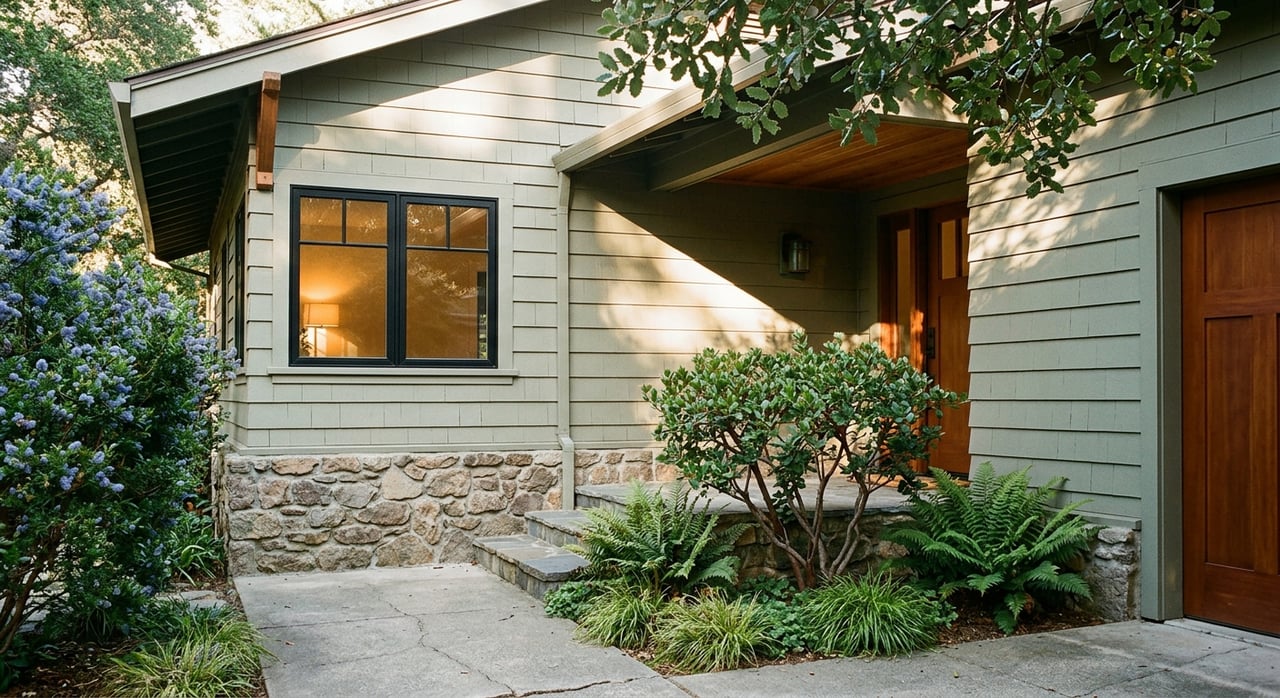
Older homes are often the ones that make you stop the car in Fairfax. They can offer charm, character, and a sense of place that newer construction does not always match. But if you are thinking about buying one, it helps to know what to look for before you fall in love. This guide will walk you through the big issues, smart questions, and practical next steps so you can evaluate an older Fairfax home with more confidence. Let’s dive in.
Why older homes are common in Fairfax
Fairfax has an older housing stock compared with many communities. According to the town’s housing-element appendix, about 90% of housing units were built in 1979 or earlier.
That age mix helps explain why Fairfax feels layered and established. The largest groups of homes were built in 1939 or earlier, the 1950s, the 1960s, and the 1970s, which means you may see everything from early 20th-century homes to mid-century properties and later attached units in the same broader market.
For you as a buyer, that matters because “older Fairfax home” is a broad category. It can mean a detached house, an attached property, or a unit in a small multi-unit building, and each one may come with a different maintenance story.
Start with permits and past work
One of the first things to check is whether the home matches its permit history. That includes the main house, garage, sheds, ADUs, and any additions or conversions.
This is especially important in Fairfax because the Town’s Planning and Building Services handles building and planning enforcement, and the housing-element appendix notes that some substandard housing in town resulted from unpermitted construction. If work was done without proper building, electrical, plumbing, or mechanical permits, it can affect safety, resale, and future project plans.
When you review a property, ask direct questions such as:
- What year was the home built?
- Which systems or areas are original?
- Were additions or conversions permitted?
- Is there documentation for major remodels?
If a home has extra square footage, a converted garage, or an outbuilding used like living space, do not assume it is fully permitted just because it exists. Verifying that early can save you time, money, and stress later.
Focus on health and safety items first
In an older home, the most important issues are often the ones you cannot see at first glance. Before you think too much about paint colors or kitchen updates, focus on the materials and systems that may affect health and safety.
Homes built before 1978 may contain lead-based paint. The EPA says homes built before 1940 are especially likely to contain it, and homes built between 1960 and 1978 still often do.
Older homes may also contain asbestos in materials such as floor tiles, ceiling tiles, pipe wrap, and insulation. The EPA recommends using a trained professional for sampling, which is especially important before renovation or repair work that could disturb older materials.
These issues do not automatically make a home a bad purchase. They do mean you should understand what is present, where it is located, and how it may affect your budget and project timing.
Ask about seismic retrofits
In Marin, earthquake readiness should always be part of the conversation. For older wood-frame homes, it is worth asking whether the house has been bolted to the foundation and whether any cripple walls have been braced.
The California Earthquake Authority says older houses built before 2000 should be considered for seismic retrofit. Homes with unbraced cripple walls are more vulnerable to earthquake damage.
This does not mean every older Fairfax home has a major structural problem. It does mean that retrofit status is an important part of understanding the home’s condition and planning future improvements.
Look beyond the house itself
In Fairfax, site conditions matter almost as much as the structure. The town’s General Plan Safety Element addresses seismic, geologic, flood, and wildfire hazards, which means a smart inspection conversation should include the lot as well as the home.
That can include questions about drainage, slope stability, water movement around the property, and vegetation near the structure. In some cases, a home may be in decent shape inside but still need site-related work that affects long-term maintenance and resilience.
This is one reason older Fairfax homes should be evaluated as complete properties, not just as interiors with nice finishes. A beautiful remodel does not tell you everything you need to know about the land, drainage, or access.
Expect energy-efficiency gaps
Many older homes were built to very different energy standards than homes today. The U.S. Department of Energy says many older homes have less insulation than newer ones, and it recommends a professional home energy assessment as a first step before making upgrades.
For you, that may show up as drafts, uneven temperatures, older insulation, or moisture-related concerns. DOE also describes weatherization as a whole-house approach that includes air sealing, insulation, moisture control, and ventilation.
The good news is that you do not have to solve everything at once. Fairfax’s housing-element appendix supports the idea that many older units could benefit from energy-efficiency improvements, which makes a phased, budget-aware plan more realistic than assuming every home needs an immediate full remodel.
Plan improvements in the right order
If you buy an older Fairfax home, the smartest upgrade strategy is usually not the flashiest one. A practical order of operations is to verify permits and hidden safety issues first, then address structural and mechanical needs, then move to efficiency and envelope improvements, and finally tackle cosmetic updates.
That sequence helps you avoid spending money twice. For example, it is better to understand old wiring, insulation, drainage, or seismic needs before you redo finishes that may need to be opened up later.
A simple way to think about it is:
- Confirm permits and identify hidden issues
- Address health, safety, and structural items
- Improve systems, insulation, air sealing, and moisture control
- Finish with design-driven updates like kitchens, baths, and surfaces
That approach tends to be more cost-aware and less stressful, especially in a market where older homes often come with layers of work completed over many decades.
Renovation may matter more than expansion
Fairfax is described in the housing-element appendix as nearly built out, and much of the remaining undeveloped land is steeply sloped or otherwise constrained. For buyers, that is an important reality check.
In practical terms, future value may come more from thoughtful renovation than from assuming a simple expansion project will be easy. Site work, drainage, and access can become major parts of the conversation when you start thinking about adding space or reworking the property.
That does not limit opportunity. It just means the best older-home purchases often come from buyers who understand the property clearly, budget carefully, and improve it in a deliberate way.
A smart buyer checklist for older Fairfax homes
As you evaluate a home, keep these questions in front of you:
- What year was the home built?
- Which major systems are original?
- Were additions, garage conversions, or ADUs permitted?
- Is there any known lead-based paint or asbestos?
- Has the house been bolted to the foundation?
- Were cripple walls braced, if applicable?
- Are there drainage or slope concerns?
- Is vegetation around the home part of the wildfire conversation?
- How does the home perform in terms of insulation, drafts, and moisture?
- Which improvements should happen first, and which can wait?
When you ask better questions, you make better decisions. That is especially true in Fairfax, where older homes can offer real charm and long-term value, but only if you understand what you are buying.
If you are weighing an older Fairfax property and want a grounded, local perspective on how to evaluate condition, permits, and improvement potential, connect with Nick Svenson. A quick conversation can help you separate cosmetic appeal from the details that really matter.
FAQs
What should you check first in an older Fairfax home?
- Start with permit history, major systems, and any signs of health or safety issues such as lead-based paint, asbestos, or structural concerns.
Why do permits matter for older Fairfax properties?
- The Town of Fairfax investigates planning and building violations, and unpermitted work can affect safety, resale value, and your ability to plan future improvements.
Do older Fairfax homes need earthquake retrofits?
- Many older wood-frame homes should be evaluated for features like foundation bolting and cripple-wall bracing, since older houses can be more vulnerable to earthquake damage.
Are energy upgrades common in older Fairfax homes?
- Yes. Older homes often have less insulation and may benefit from a whole-house approach that includes air sealing, insulation, moisture control, and ventilation.
Should you plan a remodel right after buying an older Fairfax home?
- Not always. It is usually smarter to verify permits, address safety and structural issues, and then phase efficiency and cosmetic upgrades in a logical order.