Trying to choose between a newer home and an older one in Novato? It is a smart question, because in this part of Marin, that choice can shape your monthly costs, commute, maintenance plan, and day-to-day lifestyle. If you are weighing a sleek new build against a home in a more established neighborhood, this guide will help you compare the tradeoffs with local context in mind. Let’s dive in.
Novato’s housing mix is changing
Novato is not growing through massive edge-of-town expansion. The city’s current housing pattern is more about infill and redevelopment layered into an existing community fabric. That matters because when you shop in Novato, you are often comparing newer pockets of housing with neighborhoods that have been around for decades.
The city’s 2023 to 2031 Housing Element was adopted in May 2024, and planning pages show several projects in review, approved, or under construction. These include Village at Novato, Wood Hollow Residences, 7711 Redwood Blvd Residences, and C Street Village. Hamilton also stands out as a major planned area, described by the city as a 414-acre mixed-use community.
At a broader level, Novato is a market with a strong ownership base. The city reports a 66.1% owner-occupied rate and a median owner-occupied home value of $1,032,500. That gives useful context if you are deciding whether to prioritize newer construction, long-term livability, or resale potential.
Where you’ll find newer homes
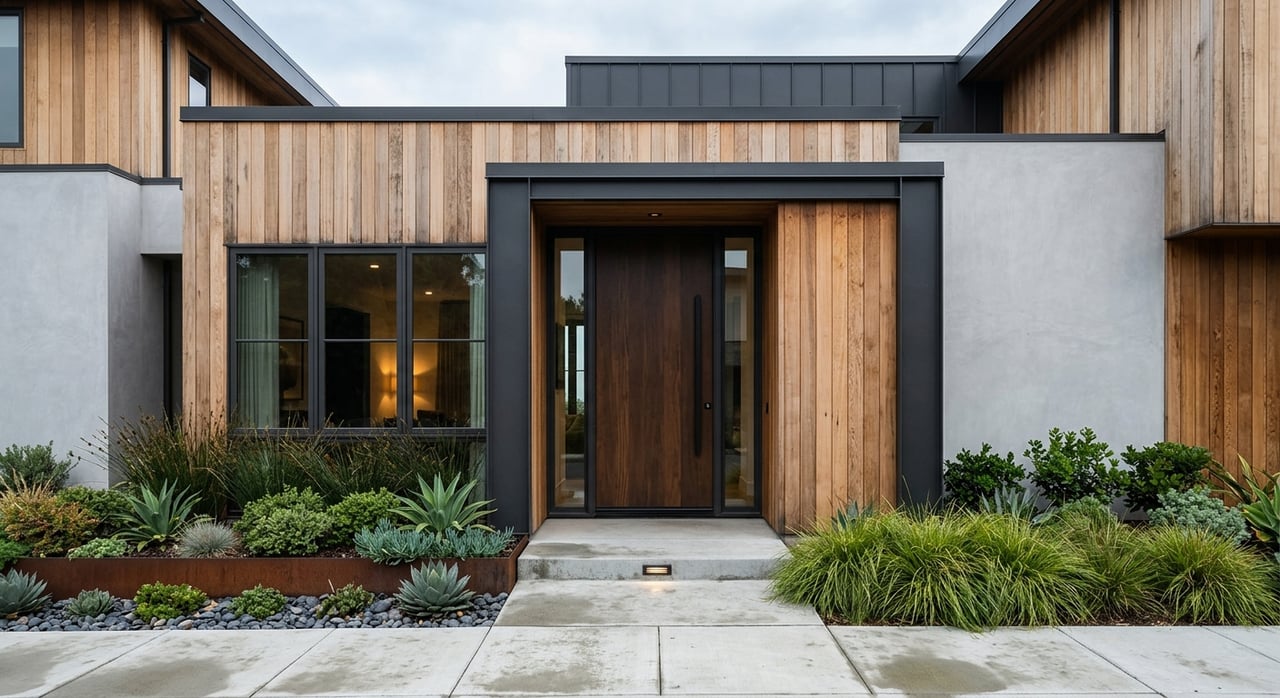
If you want newer housing in Novato, your search will likely focus on master-planned or redevelopment areas rather than large brand-new subdivisions spread across untouched land. Hamilton is the clearest example of this. It combines residential, civic, commercial, and open-space uses in one planned setting.
Other newer opportunities are tied to redevelopment sites. Village at Novato was approved for 178 residential units plus retail, while Wood Hollow Residences proposes 66 for-sale single-family homes on a former office site. The 7711 Redwood Blvd Residences project proposes 80 for-sale homes, and C Street Village proposes townhomes, flats, and carriage flats.
For buyers, that means newer homes in Novato are often connected to mixed-use planning, transit access, or the reuse of existing land. In practical terms, you may find a more modern layout and systems package, but in a setting that still feels integrated with the larger city rather than isolated from it.
What newer homes can offer
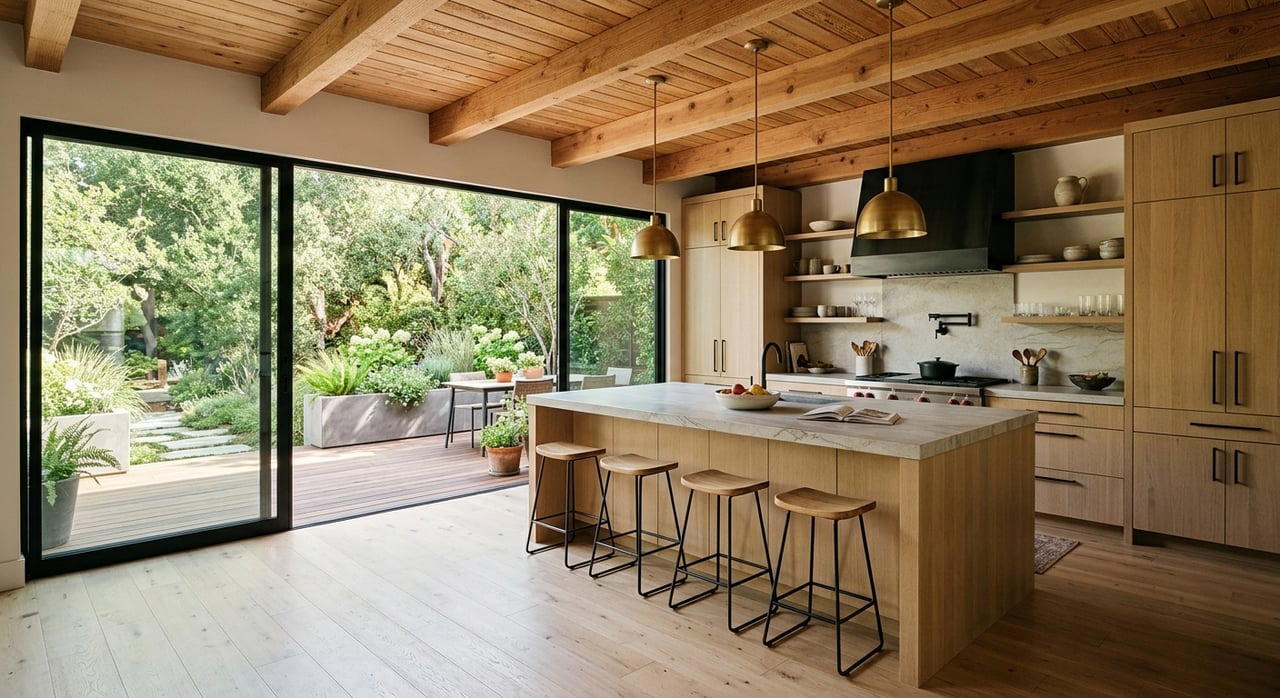
One of the biggest draws of a new build is reduced near-term maintenance uncertainty. Newer homes often come with modern materials, updated layouts, and systems that reflect current building practices. That can make budgeting feel more predictable in the first several years of ownership.
In California, newer homes are built under current state energy standards. The 2022 Energy Code encourages efficient electric heat pumps, electric-ready features, expanded solar photovoltaic and battery storage standards, and stronger ventilation requirements for permit applications submitted on or after January 1, 2023. For you, that can translate into a home that is built with current efficiency expectations in mind.
Newer communities can also come with more structure. Depending on the type of development, you may have homeowners association dues, common areas, design guidelines, and rules that shape how the neighborhood operates. Some buyers love that predictability, while others prefer more flexibility.
What to review before buying a new build
With new construction, it is important to look beyond finishes and floor plans. In California, planned developments and other common-interest developments can include automatic HOA membership, governing documents, dues, reserve funding, and architectural rules. Those details can affect both your budget and how you use the property.
The California Department of Real Estate also notes that buyers in a new subdivision should receive a public report before signing a purchase contract. That report covers items like location-related hazards, essential services, title matters, and HOA information. It is one of the most useful documents for understanding what you are really buying.
A good review checklist for a newer Novato home includes:
- HOA dues and what they cover
- Reserve funding and overall association health
- CC&Rs and design rules
- Solar, electric-ready, and ventilation features
- Commute access to Highway 101, SMART, or bus service
- Any shared spaces or common-area obligations
What established homes can offer
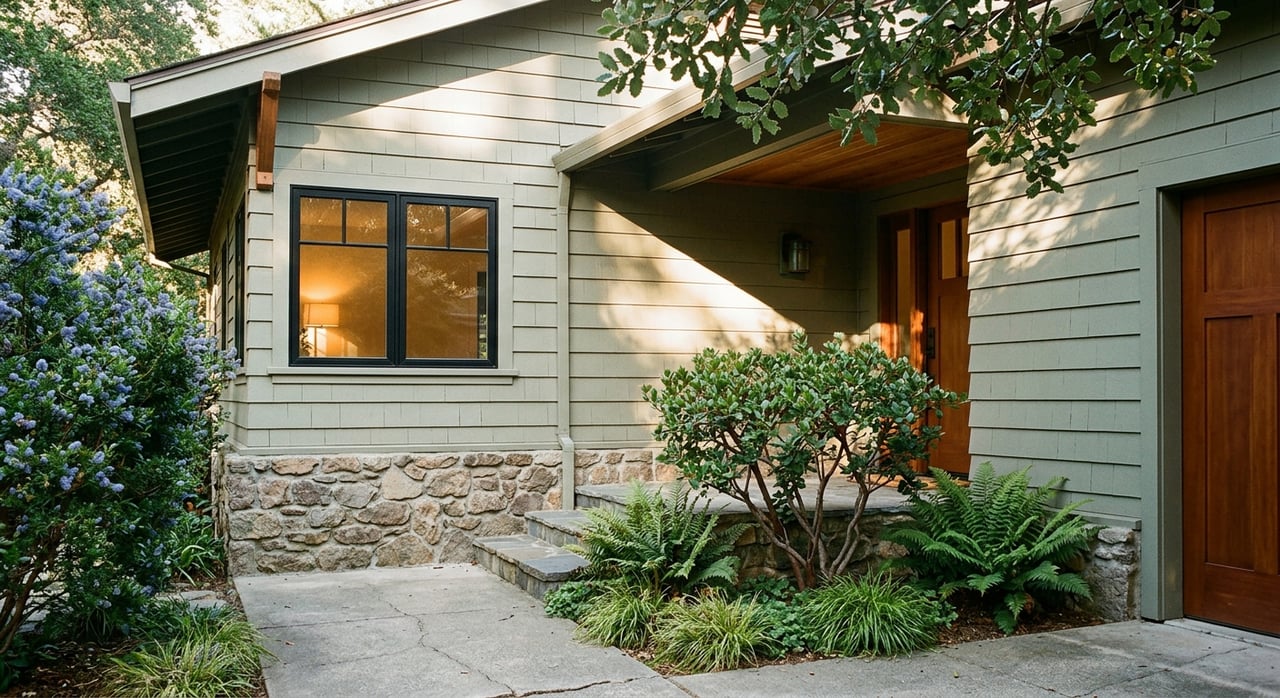
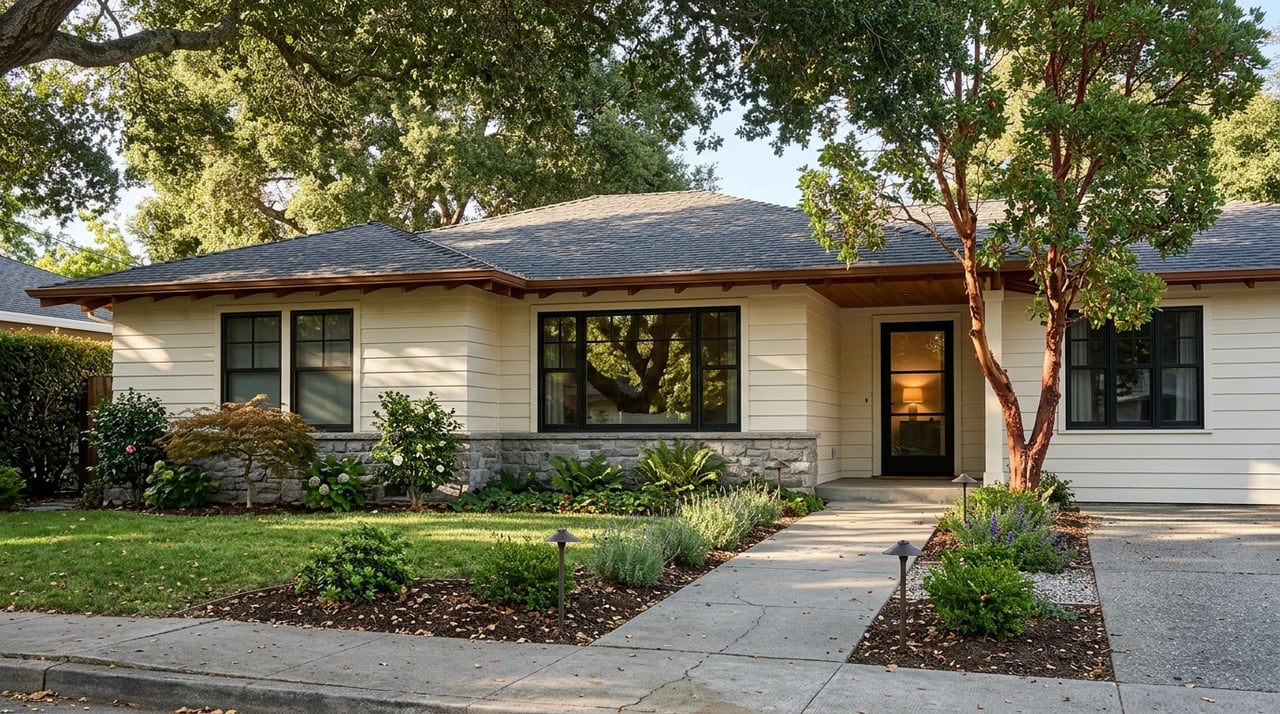
Established Novato neighborhoods often appeal to buyers who want a more settled environment and a stronger sense of neighborhood continuity. In the Northwest Quadrant, for example, the city describes a mix of small single-family homes and two-story apartment buildings, with about half built in the first half of the 20th century and the other half added in the 1960s and 1970s. That creates a very different feel from a newer planned development.
Location can be a major advantage in older areas. The city describes the Northwest Quadrant as mostly flat, close to downtown restaurants, shopping, services, and transit, and well suited for people who want to walk or bike to Downtown. If daily convenience matters more to you than having a brand-new kitchen or systems package, that can be a compelling tradeoff.
Older homes may also offer more future flexibility. Novato allows ADUs on eligible single-family and multifamily lots, and JADUs on lots with a single-family dwelling. If zoning and private restrictions allow it, an established property may give you room to expand your use over time.
What established homes may require
The flip side of older housing is that condition matters more. In established neighborhoods, you will want to look closely at age, upkeep, retrofits, and the update history of major systems. A home with charm and a great location can still need significant work if key components have not been improved.
The city’s Northwest Quadrant planning materials specifically reference aging housing stock. They also mention active issues like slower traffic goals, pedestrian-safety improvements, code-enforcement concerns, and parking concerns. That does not make older neighborhoods a poor choice, but it does mean your evaluation should go beyond the home itself.
Wildfire readiness is also part of the conversation in Marin County. CAL FIRE states that home hardening and defensible space give a house the best chance of surviving wildfire. Novato’s General Plan also notes a Safety Element update tied to climate adaptation and residential development in areas with fewer than two evacuation routes, so site-specific review matters.
Commute and access matter more than many buyers expect
When buyers compare new builds and established homes, they often focus first on finishes and condition. In Novato, commute and transportation access can be just as important. Your experience of the home may depend on how easily you can move through Marin and beyond.
Novato’s mean travel time to work is 28.1 minutes, compared with 25.3 minutes in San Rafael. Both are premium Marin markets, but they offer slightly different commute profiles. If you are deciding between the two, that difference may help frame your priorities.
Novato also has three SMART stations: Downtown Novato, Hamilton, and San Marin. The city also notes a downtown bus hub served by Marin Transit and Golden Gate Transit, and Highway 101 remains the main north-south spine connecting Novato with San Francisco and Sonoma County.
In practical terms, newer homes near Hamilton, Redwood Boulevard, or other redevelopment corridors may stand out if freeway or rail access is high on your list. Established neighborhoods closer to downtown may offer walkability and character, but sometimes with tighter parking conditions or older street patterns.
New builds vs established homes at a glance
Here is a simple way to frame the decision:
| Factor | Newer Novato Homes | Established Novato Homes |
|---|---|---|
| Condition | More modern systems and fewer immediate repairs | More variation based on upkeep and updates |
| Monthly costs | May include HOA dues and shared expenses | May have fewer structured fees, depending on property |
| Rules and controls | Often more design rules and community guidelines | Often more property-level flexibility, subject to local and private restrictions |
| Energy features | Built to current California energy standards | Depends on retrofits and past improvements |
| Location pattern | Often in infill, redevelopment, or planned areas | Often closer to legacy neighborhoods and downtown fabric |
| Expansion potential | May be more limited by community rules | May offer ADU or JADU potential on eligible lots |
Questions to ask before you choose
The best choice usually comes down to how you live, not which category sounds better on paper. If you want predictability, efficiency, and modern design, newer construction may be the better fit. If you care most about location, lot character, or future flexibility, an established home may deserve a closer look.
As you compare options in Novato, ask these questions:
- Is the property part of a common-interest development?
- What are the HOA dues, reserve status, and governing rules?
- What year was the home built, and what major systems have been updated?
- Does the property have ADU or JADU potential?
- How will your commute actually work using SMART, bus service, or Highway 101?
- Are wildfire hardening, defensible space, parking, or evacuation-route issues likely to affect this property?
The right answer is personal. A newer home can make ownership feel simpler, while an older home can offer location advantages and long-term upside. What matters is matching the property to your real priorities, your budget, and the way you plan to live in Marin.
If you want help comparing specific neighborhoods, projects, or resale opportunities in Novato and greater Marin, Nick Svenson can help you sort through the tradeoffs and make a confident decision.
FAQs
Should you buy a new build or older home in Novato?
- The better choice depends on what matters most to you. New builds often offer modern systems and more predictable maintenance, while older homes may offer better location fit, more character, or ADU potential on eligible lots.
What areas have newer homes in Novato?
- Newer housing in Novato is concentrated in places like Hamilton and redevelopment or infill projects such as Village at Novato, Wood Hollow Residences, 7711 Redwood Blvd Residences, and C Street Village.
Do newer Novato homes usually have HOAs?
- Some do, especially in planned developments or other common-interest developments. In those cases, you should review dues, reserve funding, CC&Rs, and design rules before moving forward.
What should you check in an older Novato home?
- You should review the age and condition of major systems, any past updates or retrofits, parking or traffic context, and site-specific concerns such as wildfire hardening and defensible space.
Can established Novato homes have ADU potential?
- Yes, some established properties may allow an ADU or JADU if the lot is eligible and both city rules and any private restrictions permit it.
How does Novato compare with San Rafael for commuting?
- Census data in the research report shows a mean commute time of 28.1 minutes in Novato and 25.3 minutes in San Rafael, so commute efficiency can be a meaningful factor when comparing the two markets.